Working With Your Insurance After a Collision
A claim feels complicated until you see the usual steps laid out, and a good shop does much of the legwork with you.
October 12, 2026 · 4 min read
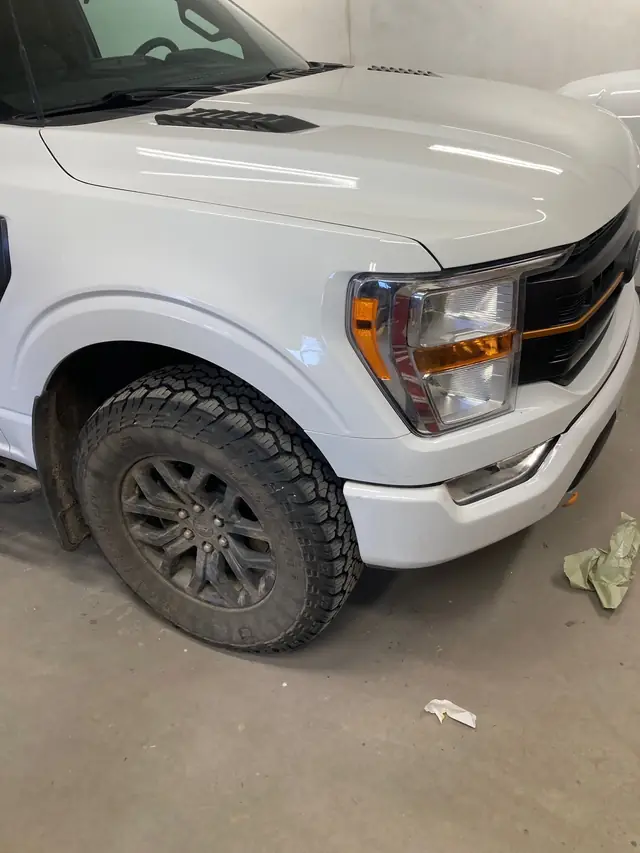
Right after a collision, the repair itself is only half of the stress. The other half is the claim: calls, forms, estimates, and the question of who is waiting on whom. Most people have never done it before, and an unfamiliar process makes everything feel harder than it is. This is a plain walk through how a claim usually flows, so you know what to expect and what to have in your hands.
How a claim usually flows
Every insurer runs things a little differently, but the shape is familiar. You report the damage. The insurer assigns a claim number and, often, an adjuster. Someone looks at the damage, whether in person, by photos, or at a shop, and writes up what the repair should involve. Then the repair is approved, the work is done, and the shop and the insurer settle up the invoice.
Along the way, things can change. Once a bumper cover comes off or a panel is pulled back, a shop can find damage nobody could see at the first look. When that happens, the shop talks to the insurer about the added work. This is normal and it is one reason a first estimate is a starting point rather than the final word.
What to have ready before you call
A little preparation saves a lot of back and forth. Before you call your insurer, gather the basics in one place.
- Your policy number and the name of the policyholder
- The date, time, and location of the collision
- Photos of the damage and the scene, taken before the vehicle was moved if possible
- The other driver's name, contact details, and insurer, if another vehicle was involved
- A police or incident report number, if one was made
- A short written description of what happened, in your own words
Where the body shop fits in
You do not have to carry the whole process alone. A shop that works with insurers regularly knows what they want to see: clear photos, a written description of the repair, and an invoice that matches the work. Brad Easley Auto Body works with insurance companies and handles the paperwork for customers, so the details do not all land on you.
Customers have said as much in their own words. One wrote that Brad communicated with her every step of the way, including answers about her insurance and what she was willing to have done. Another said he worked with their insurance company and kept the process easy. Another said he dealt with the insurer for her after hail damage. The common thread is that someone was keeping track of the moving parts, and it was not the customer.
Questions worth asking your insurer
- How is this claim classified on my policy, and what does that mean for what I pay?
- Do you need to inspect the vehicle before repairs begin?
- What documents do you need from the shop?
- Who is my contact for this claim, and how do I reach them?
- What happens if the shop finds more damage once the repair starts?
Ask the same last question of the shop, too. A good shop will explain how they handle added damage and who they call first.
Choosing your shop
Many people assume their insurer will point them to a particular shop. Policies and practices differ, so ask your insurer how it works for you. Either way, it is your vehicle, and most people feel better sending it to a shop they have actually met. Stop in, look at the work, and ask questions. A local shop with a long record in town has a reputation to protect, and the people at the counter are the ones doing the work.
Keep copies of everything
Hold on to the estimate, any supplement for added work, the final invoice, and any alignment or inspection report. If something comes up later, such as a question about a repair or a second claim, having it all in one folder makes life easier. A phone album with the before and after photos is worth the thirty seconds it takes.
Pay attention to how the shop communicates
The best sign of a good claim experience is simple communication. You should know where the vehicle is in the process, what the next step is, and who is waiting on whom. If a shop goes quiet for days, ask. If an insurer asks something you do not understand, ask the shop to explain it. Neither of them should leave you guessing.
A short summary
- Report the claim quickly and write down the claim number
- Gather photos, details, and your policy information before you call
- Ask your insurer how the claim works on your policy
- Let the shop handle the repair paperwork with you
- Keep every estimate, invoice, and note in one place
If you have been in a collision around Council and are not sure where to start, give us a call. We will look at the damage, talk through the claim with you, and handle the paperwork with your insurer. You can read about how we approach the repair itself on our collision repair page at /services/collision-repair, or call the shop at (208) 250-7787.
Brad Easley Auto Body, (208) 250-7787
Call (208) 250-7787More articles
Hit a Deer on US-95? What to Do in the First Hour
The first hour after a deer strike sets up everything that follows, from your safety to how smoothly the repair goes.
Paintless Dent Repair or Repaint: How to Tell
Some dents can be massaged out from behind the panel with the factory paint left alone, and some cannot.