Paintless Dent Repair or Repaint: How to Tell
Some dents can be massaged out from behind the panel with the factory paint left alone, and some cannot.
October 12, 2026 · 4 min read
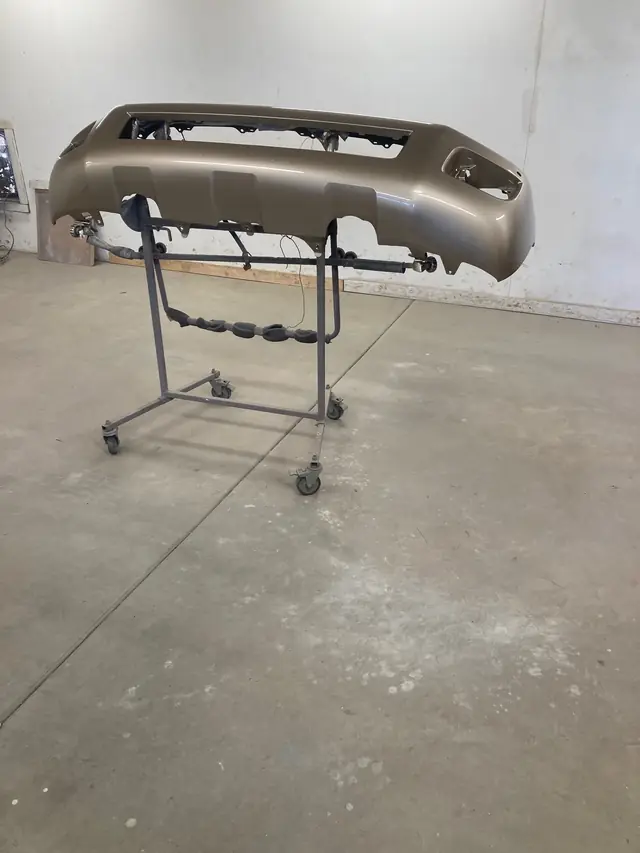
A dent is not just a dent. Two that look alike from across the parking lot can need very different repairs, and knowing which kind you have saves you from the wrong expectations. Paintless dent repair, usually shortened to PDR, is a good option when conditions are right. When they are not, a conventional repair and repaint is the honest answer. Here is how to tell the difference.
What paintless dent repair actually is
In PDR, a technician works the metal back to its original shape from the inside, using specialized rods and tools to reach behind the panel, and sometimes light pressure from the outside as well. Because the paint is never sanded, filled, or sprayed, the factory finish stays on the vehicle. The dent comes out by moving the metal, not by covering it up.
Brad Easley Auto Body offers paintless dent repair and uses paintless techniques when they will work. That last part matters, because the method has limits, and a shop worth trusting will tell you when your dent is past them.
When PDR works well
- Hail damage, where a panel carries many small, shallow, rounded dents
- Door dings from a neighboring car or a shopping cart
- Small creases and dimples where the metal has not stretched sharply
- Dents where the paint is still intact, with no cracks, chips, or flaking
- Dents in areas a tool can reach from behind the panel
The common thread is that the metal has been pushed in but not badly stretched, and the paint has not been broken. Under those conditions the metal can often be coaxed back and the finish never knows anything happened.
When a repaint is the better call
- Cracked, chipped, or peeling paint, since PDR cannot repair the finish itself
- Sharp creases where the metal has stretched and will not return to shape
- Dents on a panel edge or body line, where the metal is stiff and double thick
- Areas where there is no access behind the panel
- Rust or earlier repairs underneath the damage
- Deep, large impacts, such as a collision, where the structure behind the panel is also bent
In those cases the panel gets conventional bodywork: the metal is straightened as far as it will go, the surface is prepared, and the panel is refinished and color matched to the rest of the vehicle. It costs more time and involves paint, but it is the right repair for that kind of damage. Forcing a paintless repair onto a dent that cannot take it only leaves you with a half-finished result.
A real example: a hail job
One customer brought in a vehicle after hail damage where every panel carried multiple dents. That is a large job, and it shows both the strength and the scale of the approach. When a vehicle has been through hail, the dents are usually shallow and the paint is often unbroken, which is the kind of situation paintless methods are built for. Each panel needs patience, but the factory finish stays in place across the whole vehicle. The customer reported that the work was done quickly and well, and that the insurance side was handled for her too.
Hail also shows why an in-person look matters. Some panels in a hail job can be repaired paintless, and others may have a crease, a chipped spot, or a rough edge that calls for conventional bodywork. A shop that can do both is in a better position to choose the right repair panel by panel.
Why keeping the factory paint matters
Factory paint is applied in controlled conditions and baked on, and it is hard to match perfectly by hand. When a repair leaves the original finish alone, there is no color match to worry about, no blend line, and no new clear coat that might age differently from the paint around it. Many owners also prefer to keep a vehicle as original as possible. When PDR can do the job, that is a real advantage.
What to do before you come in
- Wash the vehicle so the dents and the paint are easy to see
- Look at the paint around each dent for cracks or chips
- Take photos in good light, from a slight angle
- Note any dents on edges or body lines
- Tell the shop whether insurance is involved
Ask the right questions
Before agreeing to anything, ask the shop whether your specific dent can be repaired paintless, what makes it a good or bad candidate, and what the plan is if it turns out not to work. A straight answer to those three questions tells you a lot about the shop. The right answer is rarely always yes.
The short version
If the paint is intact, the dent is shallow or moderate, and a tool can reach behind it, ask about paintless first. If the paint is broken, the metal is creased, or the damage is structural, plan on a repaint and do not be disappointed in the shop for saying so. Either way, the goal is a panel that looks like nothing happened to it.
If you are not sure which camp your dent falls into, come by the shop on US-95 in Council and let us have a look. You can read more on our paintless dent repair page at /services/paintless-dent-repair, or call us at (208) 250-7787.
Brad Easley Auto Body, (208) 250-7787
Call (208) 250-7787More articles
Hit a Deer on US-95? What to Do in the First Hour
The first hour after a deer strike sets up everything that follows, from your safety to how smoothly the repair goes.
Working With Your Insurance After a Collision
A claim feels complicated until you see the usual steps laid out, and a good shop does much of the legwork with you.