Signs Your Frame or Alignment Is Off After an Accident
A vehicle can look repaired and still not be straight, and some of the clues show up weeks after the accident.
October 12, 2026 · 4 min read
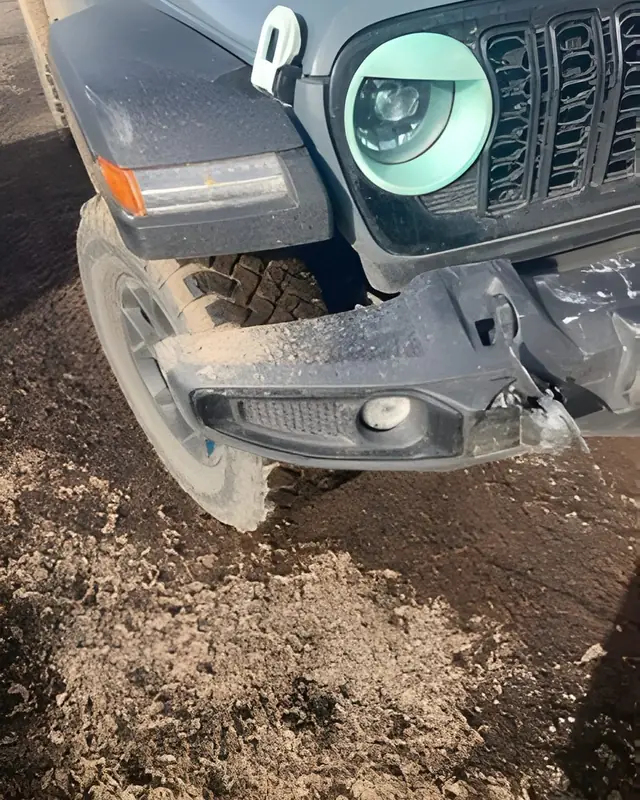
After an accident, the part of the damage you can see is not always the part that matters most. A hard hit can push the frame or the suspension out of position by a small amount, and a small amount is enough to cause real trouble. It can affect how the vehicle handles, how the tires wear, and how it protects you in the next collision. These are the signs worth knowing, and why measuring is the only way to be sure.
What the frame actually does
The frame, or on many newer vehicles the body structure built to act like one, is the skeleton everything else attaches to. The engine, suspension, doors, and bumpers all rely on it holding its exact shape. It is also designed to crumple in specific places during a crash. If it has been bent and not corrected, those specific places may not do their job the next time.
That is why frame testing matters. Brad Easley Auto Body offers auto frame testing, which means measuring the chassis to verify that it is true after an accident. Measuring takes the guessing out of it. Your eyes cannot see a few millimeters of shift, but a measuring system can.
Signs you can see
- Uneven gaps between panels, such as a hood that sits wider on one side or a fender that does not line up with the door
- Doors that are hard to open or close, or that rub, drag, or do not latch cleanly
- A hood or trunk that will not close flush
- Headlights or taillights that sit at different heights side by side
- Visible kinks, wrinkles, or ripples in the metal behind the bumper or along the rails
- Paint cracks or creases in places that were not obviously hit
Walk around the vehicle and look at the lines. Stand a few feet back from the front and the rear and check that the two sides look like mirror images. Our eyes are good at noticing when something is off, even when we cannot say exactly what.
Signs you can feel when driving
- The vehicle pulls to one side on a flat, straight road
- The steering wheel sits crooked while you drive straight
- Steering feels loose, vague, or heavier than before
- The vehicle seems to track sideways, with the rear not following the front
- There is vibration at highway speeds that was not there before
- Clunks, rattles, or squeaks over bumps that are new
Some of these point to the frame, and some point to alignment or worn suspension parts. Often the same hit affects all of them. A single bent component can pull the geometry out of line, and the only way to separate the causes is to inspect and measure.
Signs that show up later: tire wear
Uneven tire wear is one of the quietest warnings and one of the costliest to ignore. If the inside or outside edge of a tire is wearing faster than the rest, or if the tread shows a feathered or scalloped pattern, the wheels are probably not pointing where they should. That can happen after any impact that disturbs the steering or suspension, and it may not show for weeks or months.
Alignment is not the same as frame, but they are connected
An alignment adjusts the angles of the wheels so they point straight and sit properly under the vehicle. It can only do that if the parts it adjusts are straight to begin with. If the frame or a suspension mount has shifted, an alignment may not be able to bring the numbers into range, or it may bring them in only to drift out again.
One customer, after a deer strike on his Ram, had the repair finished and was told by Brad to have the alignment checked. He did that the same day. It is a good habit for any front-end hit. Brad Easley Auto Body also handles steering and suspension repair, covering alignment, shocks, struts, and worn components, so the checks and the fixes can be talked through in one place.
Why a quick look is not enough
Some shops, and some owners, judge a vehicle by sight alone. That works for cosmetic damage. It does not work for structure. Modern vehicles are built to tight tolerances, and a shift that you would never notice by eye can still change how the vehicle handles in an emergency stop. Measuring against the vehicle's known dimensions gives a real answer in numbers.
If you are shopping for a repair, ask whether the shop measures the structure after a significant hit, and ask to see what they found. A shop that welcomes the question is a shop that expects to have an answer.
What to do if you notice any of these signs
- Note what you see or feel, and when it started
- Take photos of uneven gaps or tire wear
- Stop driving the vehicle on the highway if it pulls hard or the steering feels wrong
- Bring it to a shop and mention the accident, even if it was weeks ago
- Ask for the structure to be measured, not just eyeballed
If you have had an accident, even a small one, and something about the vehicle feels different, trust that feeling. Bring it by our shop on US-95 in Council and we will take a look. You can read more on our auto frame testing page at /services/auto-frame-testing, or call us at (208) 250-7787.
Brad Easley Auto Body, (208) 250-7787
Call (208) 250-7787More articles
Hit a Deer on US-95? What to Do in the First Hour
The first hour after a deer strike sets up everything that follows, from your safety to how smoothly the repair goes.
Working With Your Insurance After a Collision
A claim feels complicated until you see the usual steps laid out, and a good shop does much of the legwork with you.