How Paint Matching Works on a Panel Repair
A good paint repair is one nobody can find, and that comes down to color matching, blending, and clear coat.
October 12, 2026 · 4 min read
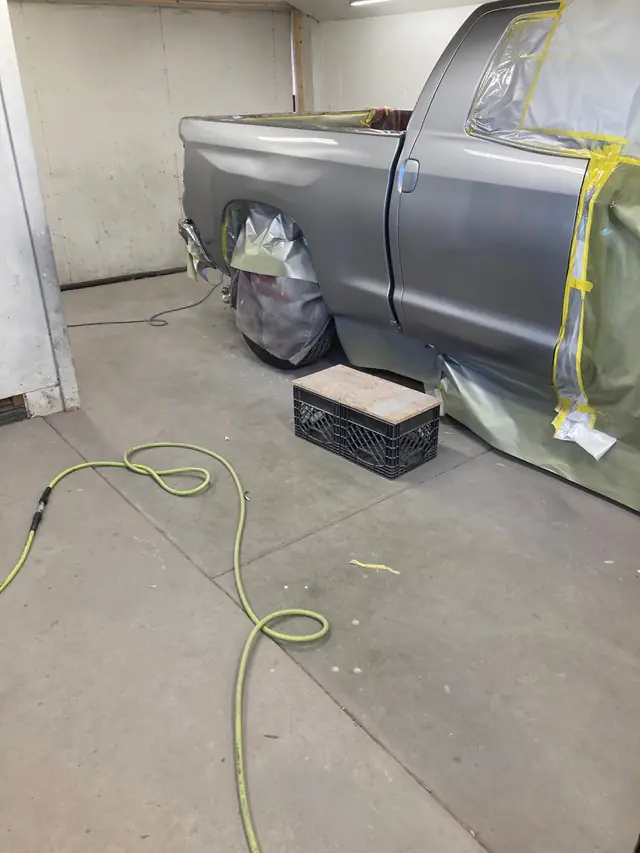
When you get a door or fender repainted, the goal is simple to say and hard to do: nobody should be able to tell which panel was repaired. That depends on three things working together, which are an accurate color match, a smart blend into the surrounding panels, and a clear coat that ties it all together. Understanding them helps you judge a repair, and it helps you take care of fresh paint afterward.
Why the paint code is only a starting point
Every vehicle carries a paint code, and that code points to the formula the factory used. It is a good start, but it is not the whole story. Paint changes over the years. Sun, weather, washing, and road grime all shift a color a little, so a ten-year-old truck is not quite the color it was when it left the plant. The same code can also come in slight variations from one production run to another.
A painter handles this by adjusting the mixed color until it looks right next to the actual vehicle, not just the number on a sticker. Test sprays on a card, checked against the panel in good light, are a normal part of the job. Metallic and pearl colors need extra care, because the way the flakes lie in the paint changes how the color looks from different angles.
Blending: where the match really happens
Even with a very good match, painting a single panel to a hard edge can show a line. The fix is blending. The painter extends the new color into the adjoining panel, fading it out gradually so that your eye has no clear edge to find. The color does not have to be perfect at every point, because it shifts so gradually that the transition disappears.
This is why a repair to one fender might involve work on the door beside it. It is not extra for its own sake. It is how a repair stays invisible. A panel painted to a sharp edge may look right in the shop and then wrong in the sun, when the angle changes how the colors read side by side.
What happens in the paint booth
A booth gives the painter a clean, controlled space with good airflow and bright, even light. That matters for two reasons. Dust and debris are the enemy of a smooth finish, and the booth keeps them away from wet paint. And the lighting lets the painter judge the color honestly.
- The damaged area is repaired, sanded smooth, and cleaned thoroughly
- Surrounding trim and panels are masked so overspray stays where it belongs
- Primer goes on where bare metal or filler is exposed
- The basecoat, which carries the color, is applied in thin, even layers
- Clear coat goes over the color for gloss and protection
- The finish cures before the vehicle goes back to the owner
Clear coat does more than add shine
The clear coat is the transparent top layer, and it does two jobs. It gives the finish its depth and gloss, and it protects the color underneath from sun, moisture, and light abrasion. A good clear coat also helps the repaired panel match the factory finish in how it reflects light. If the clear is uneven, the panel can look dull or wavy even when the color is perfect.
Caring for fresh paint on gravel roads
Many of us in this part of Idaho live at the end of a gravel road, and fresh paint has to handle that. Paint needs time to cure fully. Your shop will tell you what to expect for your repair, and you should follow it. In the meantime, a few habits help.
- Go easy on gravel for the first stretch of time after pickup, and keep your distance from other vehicles so fewer stones fly at the new paint
- Skip automatic car washes with brushes until the shop says the paint is ready
- Hand wash gently with a soft mitt and mild soap, and avoid scrubbing hard
- Hold off on wax until the shop says it is safe to apply
- Rinse off bird droppings, bug splatter, and road tar soon rather than letting them bake on
- Park out of direct sun when you can in the first days
Even fully cured paint chips on gravel roads, so touch up small chips early. A tiny chip that goes unattended can let moisture in, and that can turn into a bigger problem down the line.
How to judge a finished repair
Take the vehicle outside into full daylight before you accept it. Look at the repaired panel from several angles and distances, and compare it with the panels next to it. Check the gloss, the texture, and the color. Look along the panel edges for tape lines or rough spots. A good paint job holds up in sunlight, and a shop that is proud of its work will not mind you checking.
The short version
A convincing paint repair comes from a careful color match, a good blend, a clean booth, and a proper clear coat. After that, patience with the cure and gentle care on rough roads protect the work. If you have a scratch, a chip, or a damaged panel, bring the vehicle by the shop in Council and let us look at it in daylight. You can read more on our paint and scratch repair page at /services/paint-and-scratch-repair, or call (208) 250-7787.
Brad Easley Auto Body, (208) 250-7787
Call (208) 250-7787More articles
Hit a Deer on US-95? What to Do in the First Hour
The first hour after a deer strike sets up everything that follows, from your safety to how smoothly the repair goes.
Working With Your Insurance After a Collision
A claim feels complicated until you see the usual steps laid out, and a good shop does much of the legwork with you.